
The Best Fluffy Pancakes recipe you will fall in love with. Full of tips and tricks to help you make the best pancakes.


Haute Couture Style: Discover The Art of Fashion That Transforms Every Occasion
Haute couture style isn’t just fashion; it’s an extravagant experience that turns heads and drops jaws. Imagine walking into a room and instantly becoming the center of attention, all thanks to a one-of-a-kind creation draped over your shoulders. This isn’t your average shopping spree; it’s a lavish adventure where creativity knows no bounds and every stitch tells a story.
From the runways of Paris to the closets of the elite, haute couture embodies the pinnacle of craftsmanship and artistry. It’s the ultimate expression of individuality, making even the most mundane Monday feel like a red-carpet event. So, if you’ve ever dreamed of wearing something that’s as unique as you are, dive into the world of haute couture, where style meets sophistication and every outfit is a masterpiece waiting to be unveiled.
Haute Couture Style
Haute couture style represents the zenith of luxury fashion. Defined by exceptional craftsmanship, it involves intricate designs made from the finest materials. Each piece embodies artistry and individuality, making it a symbol of exclusivity.
Designers create couture garments specifically for an individual, tailoring every detail to fit perfectly. The process includes hours of hand-stitching and personalized fittings, resulting in a garment that tells a unique story. This meticulous attention enhances the overall aesthetic appeal.
Fashion houses must meet stringent criteria to achieve haute couture status. They need to produce original designs and employ skilled artisans who excel in garment construction. Membership in the Chambre Syndicale de la Haute Couture is essential for recognition in this elite category.
Couture shows often showcase bold creativity, featuring elaborate embellishments and dramatic silhouettes. These creations transform the runway into a breathtaking gallery of fashion innovation. Each collection reflects contemporary themes while honoring traditional techniques.
The allure of haute couture extends beyond its aesthetics. Wearing such exclusive pieces elevates individual style, turning heads at events and gatherings. Haute couture encourages self-expression, allowing wearers to showcase their personality through fashion.
In essence, haute couture style transcends mere clothing. It encapsulates a lifestyle characterized by elegance, sophistication, and artistry. Every garment speaks volumes about the wearer’s taste and appreciation for high fashion.
Historical Evolution of Haute Couture
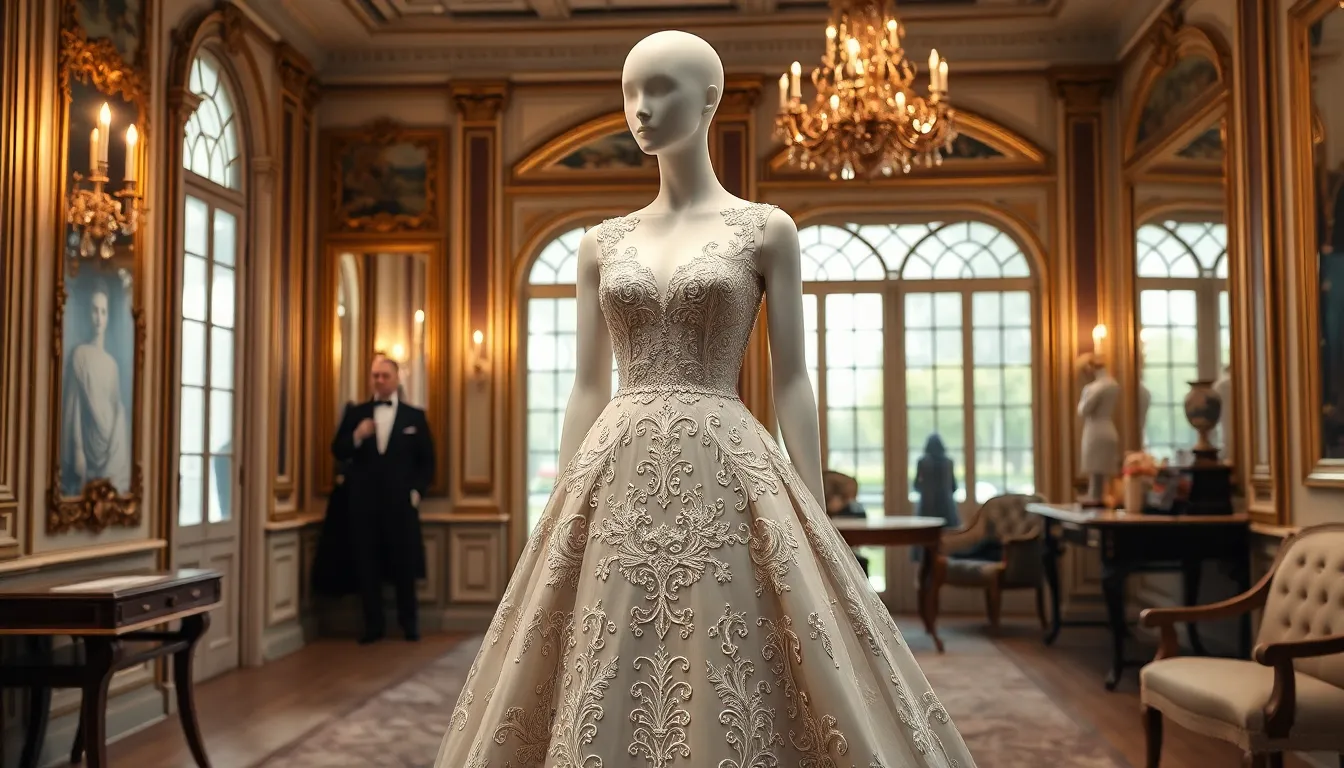
Haute couture’s history showcases its transformation from a luxury commodity to a celebrated art form. Originating in 19th century France, it centers around bespoke garments crafted with meticulous attention to detail.
Beginnings in France
French fashion saw its first major developments in the mid-1800s. Charles Frederick Worth, recognized as the father of haute couture, established the first haute couture house in Paris. His designs set standards in fabric selection, craftsmanship, and individualized attention. Worth’s innovative practices included the introduction of fashion shows and the concept of seasonal collections. His influence reshaped perceptions of fashion and solidified Paris as the epicenter of haute couture.
Key Designers and Their Impact
Influential designers like Coco Chanel and Christian Dior shaped haute couture’s identity. Chanel revolutionized women’s fashion by introducing iconic silhouettes that embraced comfort and elegance. Dior further defined the genre with his New Look in 1947, emphasizing hourglass figures and luxurious fabrics. Each designer brought unique perspectives that pushed creative boundaries. Their legacies highlighted haute couture’s potential to reflect societal changes and express individuality. Through their work, they established frameworks that continue to inspire new generations of designers today.
Characteristics of Haute Couture Style
Haute couture stands out due to its distinctive features that embody luxury and elegance. Specific attributes define this fashion category, showcasing extraordinary artistry and meticulous attention to detail.
Unique Fabrics and Materials
Exclusive fibers and rare textiles define haute couture garments. Designers often utilize silk, satin, and lace, ensuring each piece achieves a unique visual and tactile appeal. Natural materials like wool and cotton occasionally complement synthetic blends for added durability and comfort. Limited editions of fabrics, sourced from renowned mills, underscore the exclusivity associated with these creations. Vibrant colors, intricate patterns, and elaborate embellishments highlight the use of high-quality materials. Each selection contributes to the story behind the garment while maintaining the tradition of luxury and opulence.
Tailored Techniques and Craftsmanship
Precision and artistry characterize the tailoring techniques used in haute couture. Highly skilled artisans dedicate hundreds of hours to hand-stitching each garment, ensuring an impeccable fit and finish. Custom fittings enable designers to cater to individual body shapes, enhancing comfort and style for each client. Complex construction methods, such as draping and pleating, showcase the designer’s vision. Rich details, including embroidery and appliqué, reflect a commitment to craftsmanship. Each garment tells a unique story of creativity, elevating fashion into the realm of wearable art.
Haute Couture in Modern Fashion
Haute couture continues to shape modern fashion, melding tradition with contemporary influences.
The Role of Technology
Technology plays a pivotal role in haute couture’s evolution. Designers use advanced software for precise pattern making and fitting simulations. 3D printing introduces innovative techniques, allowing for intricate designs that would be unattainable through traditional methods. Digital fabric printing expands creative possibilities, enabling unique patterns and colors tailored to individual preferences. This blend of technology and artistry enhances the customization process, ensuring each piece resonates with the wearer’s style. Moreover, social media platforms amplify haute couture’s reach, connecting designers with global audiences and fostering real-time engagement.
Influences from Street Style
Street style significantly influences haute couture’s direction. Designers draw inspiration from everyday fashion, incorporating elements of casual wear into luxurious garments. Unique aesthetics emerge as street fashion often embraces bold colors and eclectic patterns. This grassroots creativity encourages experimentation within haute couture collections, making high fashion more accessible and relatable. Influential figures in street culture often collaborate with couture houses, resulting in fresh designs that capture contemporary sentiments. Such collaborations blur the lines between high fashion and ready-to-wear, ensuring haute couture remains relevant in a fast-evolving fashion landscape.
The Future of Haute Couture
Haute couture is on the verge of exciting transformations as it adapts to contemporary influences. Designers increasingly embrace sustainability, opting for eco-friendly materials and ethical production methods. Emerging trends showcase a shift towards versatility, allowing haute couture pieces to be wearable in everyday settings. This evolution reflects the desire for practicality in luxury fashion.
Innovation plays a crucial role in haute couture’s future. Advanced technologies are now commonplace in the design process, enabling precision and creativity. 3D printing and digital fabric printing expand designers’ capabilities, leading to groundbreaking creations that challenge traditional methods. This technological integration ensures that haute couture remains at the forefront of the fashion industry.
Experiential fashion is gaining traction, with brands focusing on creating memorable experiences for customers. Exclusive events and personalized shopping experiences draw attention to haute couture, deepening the connection between fashion houses and their clientele. Customization options ensure garments resonate with individual styles, ultimately enhancing personal expression.
Collaborations are also shaping haute couture’s trajectory. Designers frequently partner with artists and influencers, bringing fresh perspectives and diverse ideas into the fashion realm. These partnerships blur the lines between high fashion and streetwear, reflecting the evolving nature of style in a global context.
Cultural influences continue to play a significant role. Globalization leads to a more interconnected world where diverse inspirations can emerge. Haute couture adapts by incorporating elements from various cultures, enriching its narrative and appeal. As the fashion landscape evolves, haute couture thrives, embodying both artistry and contemporary relevance.
Conclusion
Haute couture stands as a testament to the artistry and craftsmanship that define the fashion industry. With its rich history and ongoing evolution, it continues to inspire and captivate those who appreciate the finer things in life. As designers merge traditional techniques with modern influences, haute couture remains a symbol of individuality and luxury.
The future of haute couture looks promising as it embraces sustainability and innovation. By blending technology with artistry, designers are crafting pieces that resonate with contemporary lifestyles while maintaining the essence of exclusivity. This dynamic interplay ensures that haute couture not only endures but thrives, making it a vital part of the ever-changing fashion landscape.